


Is it Mold or Allergies? A Case Study in Indoor Air Quality
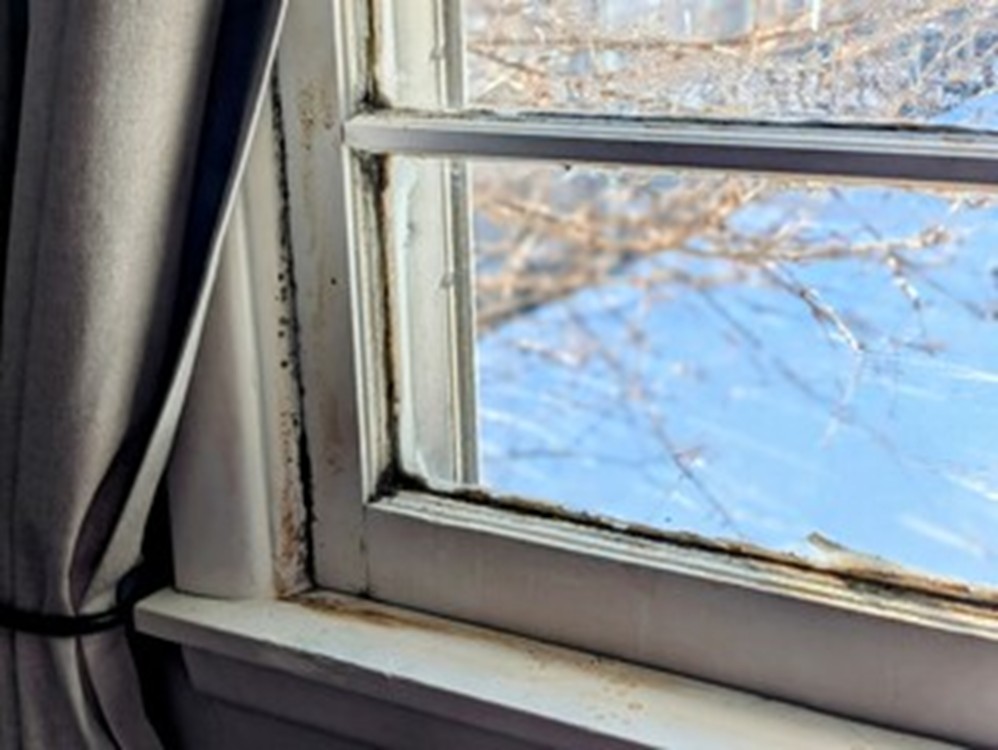
Many homeowners struggle with a frustrating question: Is it mold or allergies? In January 2013, one family at a private residence faced this exact dilemma.
The family, including two young children, suffered from persistent sinus congestion and headaches every morning. They also reported constant coughing and post-nasal drip. Because they assumed it was “seasonal,” they waited for relief. However, when winter arrived and the windows stayed closed, the symptoms only got worse.
They reached out to Titanium Laboratories to finally get an answer.

Investigating the Source of Respiratory Symptoms
Upon entering the home, our Indoor Air Quality specialist noted a “stuffy” atmosphere. To determine if the problem was mold or allergies, he conducted a thorough visual inspection:
- Dander: The family had no pets, ruling out animal allergens.
- Pests: There were no signs of rodents or cockroaches.
- Hygiene: The home was meticulously clean, regularly vacuumed, and dusted.
Despite the cleanliness, the specialist noticed slight discoloration around the air vents. This was a major clue.
Hidden Risks in Your Air Ducts
This home featured a central heating system with a basement air handler. During the interview, the family mentioned the basement had flooded during Hurricane Irene in 2011.
When asked about their duct cleaning history, the family was silent. They had lived in the home since the late 1990s and had never had the air ducts professionally cleaned.
Because pollen counts are low in the winter, the presence of residue around the registers pointed to one likely culprit: mold growth within the ventilation system.
Professional Testing: The Only Way to Know
To settle the question of is it mold or allergies, Titanium Laboratories performed professional air sampling. We collected interior samples along with an outdoor control sample. These were analyzed by a certified mycologist at an AIHA-accredited laboratory.
The results confirmed the family’s fears. The laboratory found significantly elevated levels of mold spores throughout the indoor air. Since all mold species can trigger allergic reactions, the mold in the ducts was the direct cause of the family’s “allergy” symptoms.
Finding a Resolution and Immediate Relief
The family hired a local contractor to clean the air ducts immediately. The cleaning removed massive amounts of dust, debris, and mold spores. They also took the opportunity to clean their dryer vent, which is a critical step for fire prevention.
The result? Every family member noticed immediate relief from their symptoms.
In this case, the mold was not growing on the walls. Instead, it was hidden in the ducts and being dispersed into every room. By choosing professional testing, Titanium Laboratories helped this family stop guessing and start breathing easier.
Homeowner Tip: Should You Test for Mold?
If you are wondering is it mold or allergies, consider these signs that your air ducts might be the problem:
- Persistent Symptoms: If “allergies” last through the winter, it may be indoor mold.
- Visible Growth: Look for discoloration or “dust” that won’t wipe away near vents.
- Past Water Damage: Any history of flooding can lead to mold in the HVAC system.
- Odors: A “musty” or “stuffy” smell is a common sign of mold spores.
Take Control of Your Indoor Air Quality
Don’t suffer in silence. If your family is struggling with respiratory issues, contact Titanium Laboratories today. We provide the professional testing you need to determine if it is mold or allergies affecting your health.
Titanium Laboratories, Inc. A+ Rated by the BBB | Licensed & Fully Insured


Leave a Reply