


The Different Methods of Mold Testing: Which One Do You Need?
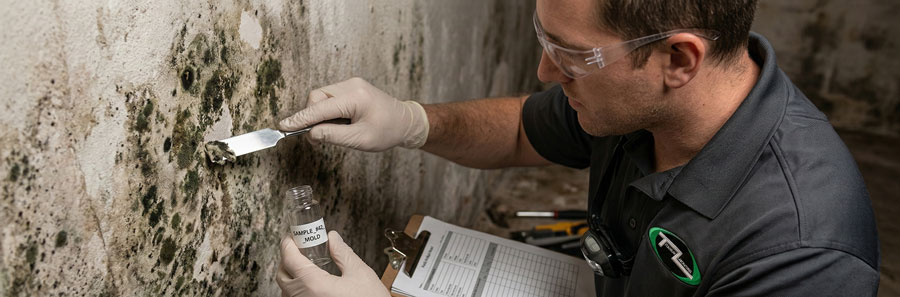
Are you concerned about a musty odor or a mysterious stain on your wall? If so, you aren’t alone. Many homeowners and property managers turn to professional mold testing to get answers. However, there isn’t just one way to test for mold. Depending on your situation, different mold testing methods provide different levels of insight.
At Titanium Laboratories, we believe in using the right tool for the job. Below, we break down the most common techniques used by certified professionals to identify mold growth and assess indoor air quality.
1. Air Sampling
Air sampling is one of the most effective ways to determine if mold is affecting your indoor environment. Because mold spores are microscopic and travel through the air, you cannot always see the problem with the naked eye.
During this process, a Certified Mold Inspector uses a specialized air machine to pull a specific volume of air through a collection cartridge. This sample is then sent to an accredited third-party laboratory.
Why choose air sampling?
- It identifies “hidden” mold behind walls or in HVAC systems.
- It measures the concentration of spores in the air you breathe.
- It provides a baseline by comparing indoor air to outdoor air.
2. Surface Sampling (Swab and Tape Lift)
If you can see a physical stain or growth, surface sampling is the most direct way to confirm what it is. Not every dark spot is mold—sometimes it is just soot, dust, or water staining.
Swab Testing
A sterile swab is wiped across the suspect area to collect a sample. This is the “gold standard” for testing uneven surfaces or visible clusters of growth. It tells you exactly what species of mold is present at that specific site.
Tape Lift Sampling
An inspector uses a piece of specialized clear tape to “lift” a sample from a flat surface. This method is excellent because it preserves the structure of the mold, allowing the lab to see how the mold is growing and if it is actively producing spores.
3. Bulk Sampling
In some cases, a surface sample isn’t enough. Bulk sampling involves removing a physical piece of the affected material—such as a small square of drywall, carpet, or insulation.
While this is a highly accurate way to test for deep-seated mold, it is more invasive than other methods. We typically only recommend bulk sampling when the material is already slated for removal.
Why Professional Analysis Matters
Regardless of the method used, the most important step is the analysis. All samples collected by Titanium Laboratories are sent to an AIHA-accredited laboratory. A professional microbiologist examines the samples to provide a detailed report on the types and quantities of mold found.
Without professional interpretation, a “positive” result can be misleading. A certified inspector will look at the lab data alongside a visual inspection to give you a clear, actionable plan.
When Should You Schedule a Mold Test?
You should consider professional mold testing if you experience:
- Visible mold growth or discoloration.
- Unexplained musty odors.
- Recent water leaks or flooding.
- Persistent allergy symptoms when indoors.
- The need for a “Mold Clearance Certificate” after remediation.
Final Thoughts
Choosing between different mold testing methods doesn’t have to be confusing. A qualified Mold Hygienist will evaluate your property and recommend the best approach for your specific needs.
Do you suspect a mold problem in your home or building?
Titanium Laboratories, Inc. A+ Rated by the BBB | Licensed & Fully Insured


Leave a Reply