


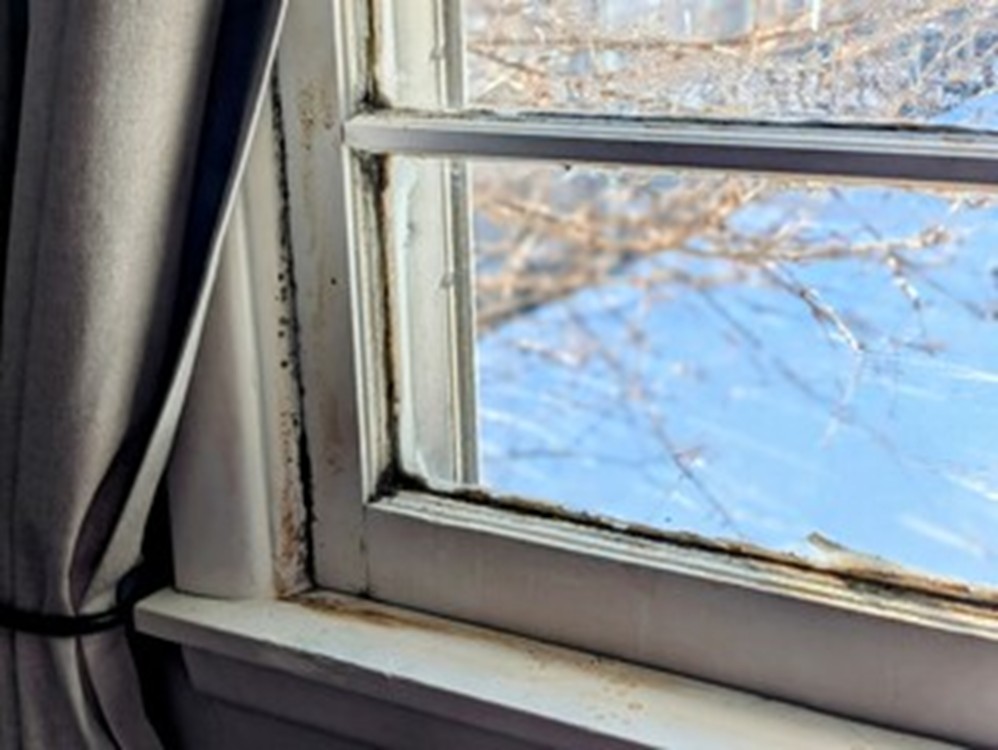
Many people are under the impression that mold only grows in the summertime. This, however, is not the case. Mold can grow in virtually every environment if it harbors its growth. Wintertime is no exception.
Mold carries imminent danger and can be deadly if left untreated. It is imperative to know the basics of mold growth and what you can do to keep yourself safe this winter.
Here are the hidden dangers of mold in the winter and how to prevent mold from growing:

What is Mold?
Mold is a fungus that thrives in moist environments. Dampness increases the likelihood of mold growing both indoors and outdoors. Mold does play a critical role in the ecosystem. Its growth assists with decomposing dead organic material.
For humans, too much mold exposure can have deadly consequences. According to the CDC, mold can cause a variety of health problems. The most common health issues associated with mold exposure include:
- Sore throat
- Stuffy nose
- Burning eyes
- Wheezing
- Skin rashes
- Infections
- Fever
- Upper respiratory tract issues
- Asthma
- Worsen chronic and/or existing health conditions
- Symptoms that lead to death
How Mold Thrives in Winter
Mold thrives in the wintertime, creating a hidden danger to you and your family. Although many people believe humidity and heat are the main mold-growth factors, winter creates an equally conducive environment.
The following are the most common ways mold thrives in the cold seasons:

Condensation
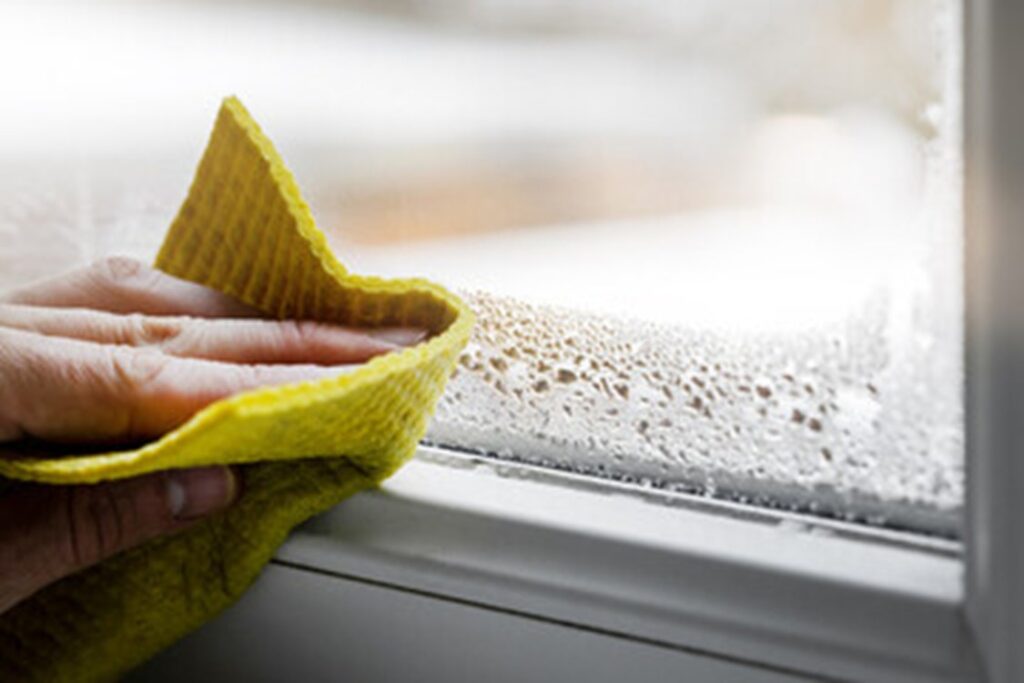
This hidden danger is one of the top contributors to mold growth during winter. Frigid outdoor temperatures and warm indoor air create water vapor. This condensation lingers on walls, ceilings, windows, and floors.
Over periods of time, this condensation becomes the perfect place for mold to flourish. Here are the top ways condensation can be intensified:
- Poor insulation
- Unsealed doors and windows
- Lack of ventilation
- High indoor humidity
Indoor activities
Daily indoor activities can contribute to increased indoor humidity without you knowing it. Cooking is a prime example. Cooking without proper ventilation greatly increases humidity. This creates the perfect breeding ground for mold to grow.
Long hot showers are another contributor. Incorrect use of humidifiers additionally elevates humidity levels indoors, thus amplifying mold growth in the winter.

Indoor laundry drying
If you hang your clothes to dry after washing, you multiply the moisture in the air. Without the right ventilation, which can cause mold to grow.
Humidity settles on surfaces in the surrounding area and breeds mold. The mold continues to thrive without adequate ventilation in your laundry room.
Poor ventilation
In winter, we all bundle up the home to ensure no heat escapes. This creates the ideal atmosphere for mold to prosper.
Heat conservation is paramount to staying warm and keeping energy bills low. However, without the right air circulation, the moisture is trapped indoors.

Storing wet items
Winter equals rain and snow. This paves the way for damp items to be stored inside, such as boots, gloves, shoes, and umbrellas. Mold can blossom in these areas, as entryways are already prone to mold. Enclosed spaces such as closets, mudrooms, and basements harbor more moisture than other spaces, where mold is more likely to grow.
Improper leak maintenance
If you see water leaking, that is a sign that mold may not be far away. Improper water leak maintenance sets up the perfect storm for introducing mold into your home in the winter.
Small leaks in pipes, windows, and even the roof are easily overlooked in the winter. These hidden wet areas foster mold growth and great health and financial problems down the road.
How to Prevent Mold Growth
This winter, it is essential to take the necessary steps to prevent mold growth in your home. Here are the top ways to prevent mold from becoming an unwanted house guest:
Maintain heating and ventilation systems
Your HVAC and ventilation systems are paramount to controlling indoor humidity. Replace air filters often and have vent ducts cleaned every year or two.
If your heating system has a built-in humidifier, check how much moisture it releases. Improper maintenance of this system can lead to mold growing in and near ducts and vents.
Inspect for plumbing leaks
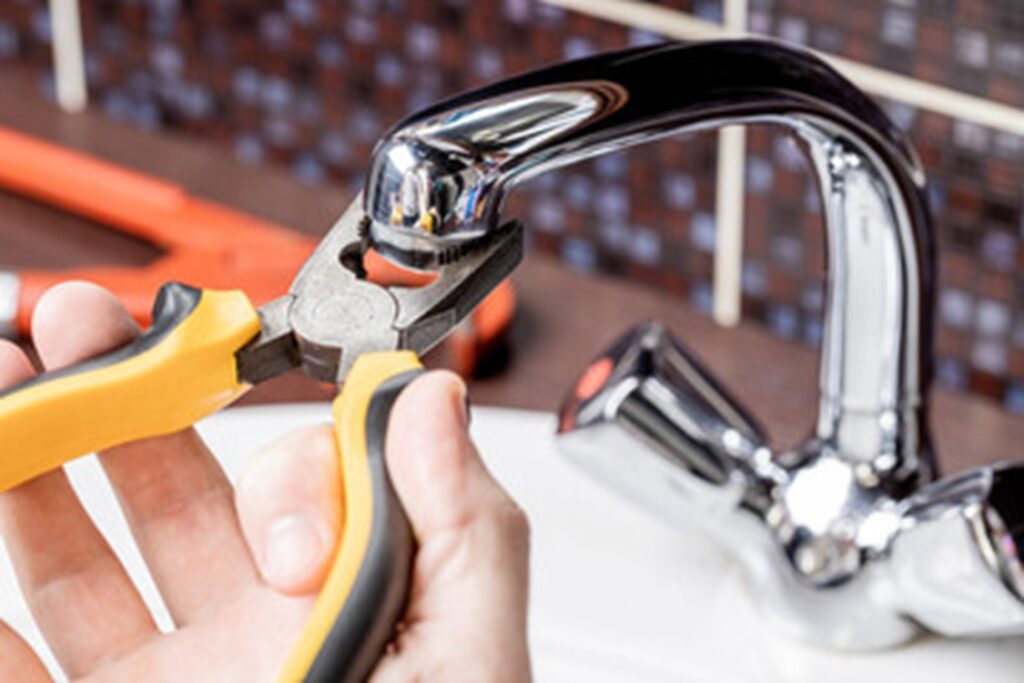
Before the cold months, inspect for plumbing leaks throughout your home. Even a small leak under the kitchen sink can lead to winter mold.
If you find a leak, repair it immediately. Be sure to dry all surfaces for several days after fixing the leak to ensure no mold can grow.
Safely store household items
Remove any fabrics or cardboard boxes from the basement flooring. Plastic bins with fitted lids are your best bet for proper storage.
If you can, elevate your storage off the floor. Buy shelves or install shelving units to ensure proper airflow.

Bottom Line
Wintertime is a great time for mold to thrive inside your home. With the right precautions and maintenance, you can ensure your home stays mold-free. By keeping surfaces dry, inspecting and fixing water leaks, and watching out for overuse of humidity indoors, mold will have no place to disrupt your family.
Mold flourishes in warm and damp environments. By monitoring condensation and having proper ventilation, you can keep mold from wreaking havoc on your health.
The winter months are here! If you are ready for a top industry mold inspector to assess your home for mold growth, contact us today. Titanium Laboratories has served Northern New Jersey, the greater Essex County, Bergen County, and Passaic County for over 20 years. Our New Jersey mold experts can assess your home and create the right strategy to remove existing mold while enforcing mold prevention.
Titanium Laboratories, Inc. A+ Rated by the BBB | Licensed & Fully Insured

Leave a Reply