


It is a question I hear almost every week. Usually, it starts with a call from a concerned Realtor or a homeowner. They suspect there is mold in a property because they can see a dark spot or smell that unmistakable musty odor.
When I begin to explain the process of a Certified Mold Inspection, I am often interrupted by the “golden question.”
“Can’t I just have your company test for mold? I don’t think I need a full inspection.”
The short answer is yes, we can do that. However, you are likely short-changing yourself. If you want to solve the problem for good, you need to understand the difference between a mold inspection vs mold testing.
Why a Visual Inspection Matters
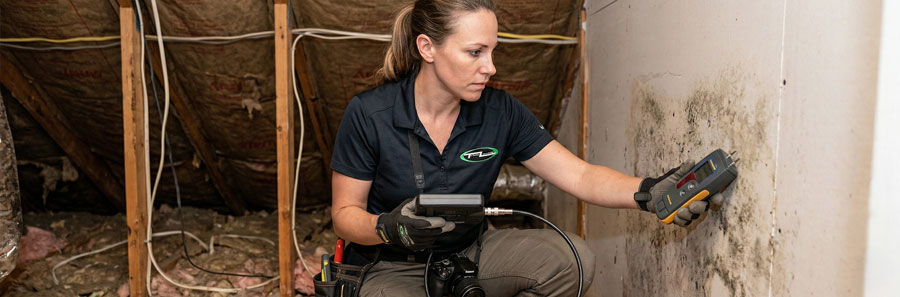
At Titanium Laboratories, we begin every project with a thorough visual assessment. We look for signs of moisture, water damage, and hidden leaks. Additionally, we measure humidity levels and temperatures to gather data.
All of these factors are important clues. A mold test can tell you if you have mold, but an inspection tells you why it is there. According to the NYC Department of Health (the industry standard for remediation), you must rectify the underlying cause of water accumulation, or the fungal growth will simply return.
The Problem with Only Testing for Mold
Think of a mold test as just one tool in a larger toolbox. If you only test for mold without an inspection, you are missing the bigger picture.
The last thing you want is a lab report confirming a mold infestation without a proposed solution. A test identifies the “what,” but the inspection provides the “how-to-fix-it.”
Choosing a Qualified Mold Expert
Currently, in states like New York and New Jersey, there are no specific government licenses required to provide mold services. This means almost anyone can call themselves an inspector. Consequently, you must be extremely diligent when hiring a professional.
When comparing a mold inspection vs mold testing service, ensure your provider offers the following:
- A Detailed Visual Assessment: A complete walkthrough of the property to find the moisture source.
- Independent Lab Analysis: Any samples (air, swab, or bulk) should be sent to an independent, AIHA-accredited laboratory.
- A Clear Data Summary: You should receive the original lab report along with an explanation of the mold species and colony counts found.
- Professional Recommendations: This is the most important part. Your inspector should use the data to provide a clear plan for corrective action.
Final Thoughts
Hiring an expert for a mold inspection is like going to a doctor. You wouldn’t want a diagnosis without a recommended course of treatment. By choosing a full inspection over a simple test, you ensure that your home stays safe, dry, and mold-free.
Titanium Laboratories, Inc. A+ Rated by the BBB | Licensed & Fully Insured


Leave a Reply