

Finding a mysterious dark spot or catching a whiff of a musty odor can be stressful. Your first thought is likely: Do I need to test for mold? While mold is a natural part of the environment, indoor growth can impact your home’s structural integrity and your family’s health. This guide breaks down the best ways to test for mold and when it’s time to call in the professionals.
When Should You Test for Mold?
You don’t always need a laboratory test. If you can see a large colony of black or green fuzzy growth, you already have your answer. However, testing is crucial in these scenarios:
- Unexplained Health Symptoms: Persistent coughing, sneezing, or skin irritation that improves when you leave the house.
- Recent Water Damage: After a pipe leak, basement flood, or roof issue.
- Real Estate Transactions: Ensuring a new home is “healthy” before closing.
- Hidden Odors: A strong, earthy smell with no visible source.
The 3 Most Common Ways to Test for Mold
There isn’t a one-size-fits-all approach. Depending on your situation, you may use one or a combination of these methods:
| Method | What it Detects | Best For |
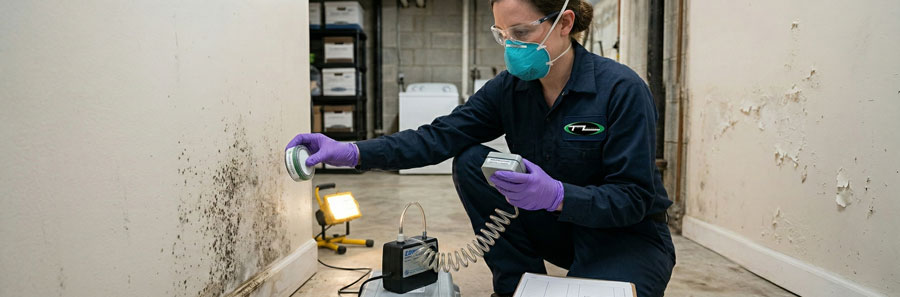
| Air Testing | Spore concentration in the air. | Finding hidden mold behind walls or in HVAC systems. |
| Surface Testing | Presence of mold on a specific object. | Identifying if a “stain” is actually active growth. |
| Bulk Testing | Fragments of materials (drywall, carpet). | Confirming deep-seated infestations. |
Professional vs. DIY Mold Test Kits
You can pick up a DIY mold test kit at most hardware stores, but they come with a caveat. Most kits use petri dishes that naturally attract spores from the air (which are present in every home). This often leads to “false positives.”
Professional testing is more expensive but provides:
- Species Identification: Knowing if you’re dealing with Stachybotrys (black mold) or common Cladosporium.
- Spore Counts: Comparing indoor air quality against outdoor “control” samples.
- Root Cause Analysis: Pros find the moisture source, not just the mold.
Step-by-Step: How to Perform a Surface Test
If you’ve found a suspicious spot and want to test it yourself using a tape-lift or swab kit:
- Don PPE: Wear an N95 mask and gloves.
- Sample the Area: Gently press the adhesive slide or swab against the visible growth.
- Seal and Label: Place the sample in the provided sterile container.
- Send to a Lab: Ensure the kit includes a lab analysis fee for accurate results.
Next Steps After Your Results
If your test for mold comes back positive, don’t panic. Small areas (less than 10 square feet) can often be handled with DIY remediation using vinegar or specialized cleaners. For larger infestations, consult a certified Mold Remediation Specialist to ensure the spores don’t spread during the cleaning process.