


Why Rodents Invade Homes in Winter in NJ
It’s 2:00 AM on a Tuesday in January. Outside, a biting wind whistles through the bare oak trees of Essex County, and the temperature has plummeted well below freezing. Inside your home, it’s warm, quiet, and peaceful: until you hear it.
Scritch. Scritch-scritch. Scratch.
It’s coming from inside the wall, right behind your headboard. Your heart sinks. You aren’t alone.
At Titanium Laboratories, we hear this story from our neighbors in Nutley, Montclair, and Belleville every single winter. When the Garden State freezes over, the local wildlife doesn’t just disappear; it looks for a upgrade in real estate. Your home, with its climate-controlled rooms and well-stocked pantry, is the ultimate winter resort for mice and rats.
But why does this happen so consistently in Northern New Jersey, and what does it mean for your family’s health and safety? Let’s dive into the science of winter rodent invasions and how we can work together to keep your sanctuary secure.
The Survival Instinct: Why They Choose Your Home
Rodents are remarkably resilient, but even they have their limits. As the ground freezes and the snow piles up, the natural resources that sustain mice and rats throughout the spring and summer vanish. They are driven by three primary needs: warmth, food, and water.
1. The Search for Heat
Did you know that rodents have incredibly sensitive facial nerves and whiskers? They can actually “feel” temperature shifts in the air. As the heat from your furnace escapes through small gaps in your foundation or attic vents, it creates a “heat trail” that rodents follow like a beacon. In our experience providing rodent control in Essex County, NJ, we’ve found that even the smallest thermal leak can attract a mouse from dozens of yards away.
2. Disappearing Food Sources
During the warmer months, rodents feast on seeds, insects, and garden vegetation. Once the frost hits, those grocery stores close down. Your kitchen, however, remains open 24/7. Even a few crumbs behind a toaster or a bag of pet food left open in the mudroom is enough to sustain a family of mice for weeks.
3. Safety from Predators
Winter is a lean time for hawks, owls, and foxes, too. For a small rodent, staying outdoors means being a visible target against the white snow. Your walls, crawlspaces, and attics provide a fortress that keeps them safe from the elements and from being someone else’s dinner.

The “Dime and Quarter” Rule: How They Get In
One of the most common questions we get during a pest control Nutley NJ service call is: “How did they even get inside?”
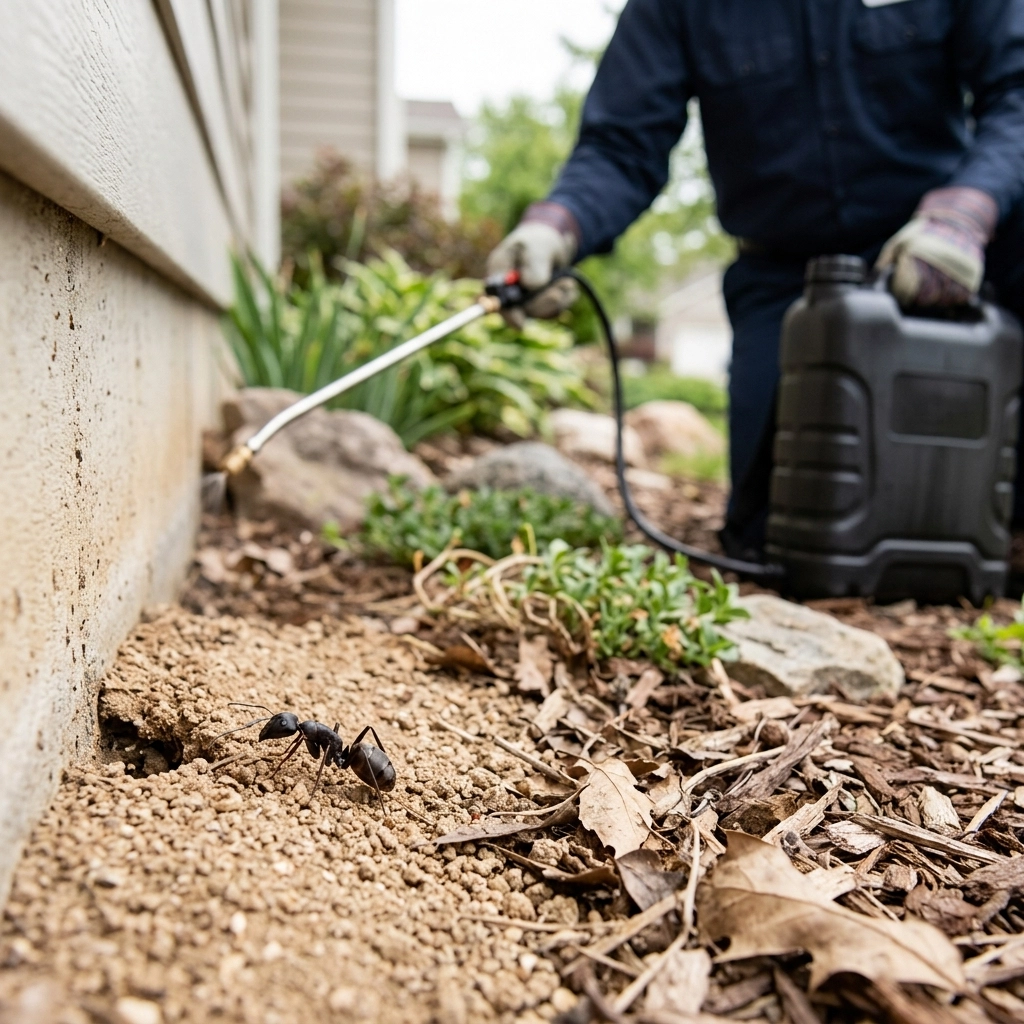
The answer often surprises homeowners. A house mouse can squeeze through a hole the size of a dime. A rat only needs an opening the size of a quarter. If you can poke a pencil into a gap, a mouse can likely find its way through.
In Northern New Jersey, our beautiful older homes: while full of character: often have aging foundations, settling floorboards, and original masonry that has developed small cracks over the decades. The “freeze-thaw” cycle common in our area causes building materials to expand and contract, which can actually widen these tiny gaps over time, essentially rolling out the red carpet for winter pests.
Common entry points we see during our professional home inspections include:
- Gaps around utility pipes and gas lines.
- Worn weather stripping under garage doors.
- Cracked foundation seals.
- Damaged roof shingles or soffit vents.
- Unscreened chimney flues.
More Than a Nuisance: Health and Safety Risks
It’s easy to think of a mouse in the house as a minor annoyance, but as a health and safety-focused company, we see the bigger picture. Rodents are “commensal” pests, meaning they live off humans, but they don’t give anything back except risk.
Fire Hazards
Rodents have teeth that never stop growing. To keep them filed down, they must gnaw on hard materials. Unfortunately, the plastic insulation on your electrical wiring is a favorite target. According to some estimates, a significant percentage of “undetermined” house fires are actually caused by rodent damage to wires inside walls.
Respiratory Issues and Allergies
For families in our community, indoor air quality is a top priority. Rodent droppings and urine dry out and become airborne particles. These can trigger severe asthma attacks and allergic reactions, especially in children and the elderly. If you’re concerned about what’s in your air, we often recommend testing the air inside your home to ensure it’s safe for your loved ones.
Disease Transmission
Mice and rats are known carriers of various pathogens, including Salmonella, Hantavirus, and Leptospirosis. They don’t just stay in your walls; they forage across your kitchen counters and through your cabinets, leaving behind invisible traces of bacteria wherever they go.
The Titanium Laboratories Approach to Winter Protection
We don’t believe in “one-size-fits-all” solutions. When we visit your home for rodent control in Essex County, NJ, we treat your property with the same care we would our own. Our process is science-backed and thorough.
Step 1: The Tactical Inspection
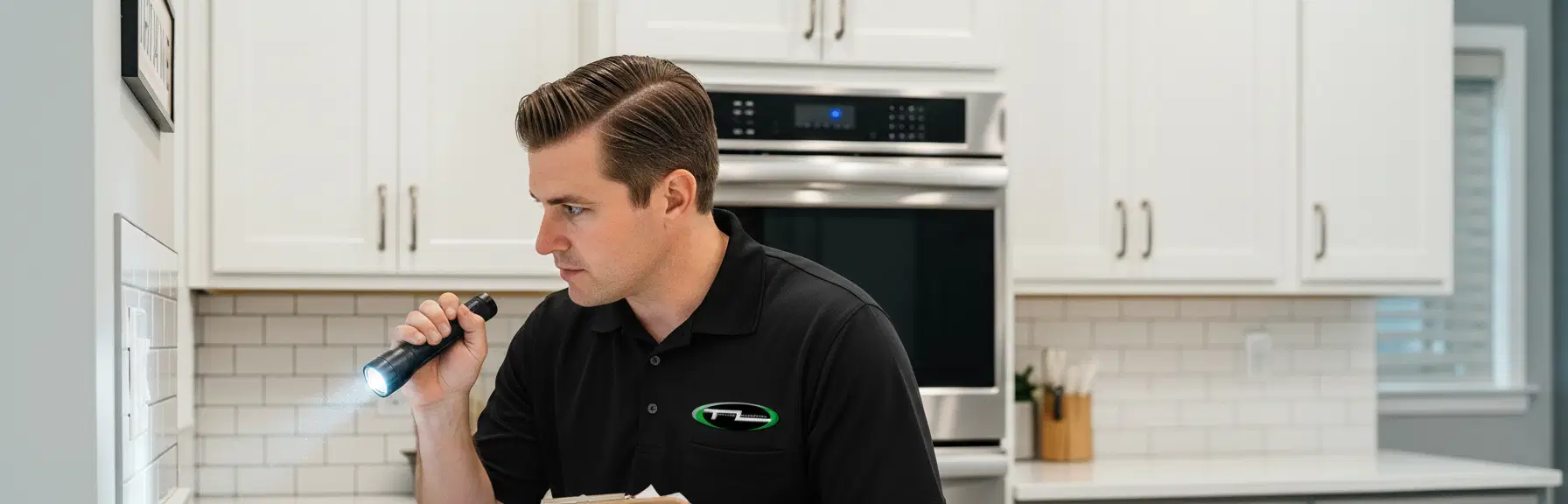
Our technicians don’t just put down traps and leave. They perform a “top-to-bottom” evaluation of your home’s perimeter. And then, they look for those dime-sized entry points and use our expertise to think like a rodent. We want to know why they chose your house and how they are getting in.
Step 2: Strategic Exclusion
The best way to deal with a rodent problem is to stop it before it starts. We use high-quality materials to seal entry points, ensuring that once we remove the current “tenants,” new ones can’t take their place.
Step 3: Targeted Remediation
If you have children or pets, you’re likely concerned about the chemicals used in pest control. So are we. We prioritize organic and low-impact pest control options whenever possible, focusing on targeted treatments that solve the problem without compromising your family’s safety.
What You Can Do: A Homeowner’s Winter Checklist
While we are always here to help, there are steps you can take today to make your home less attractive to winter invaders.
- Audit Your Pantry: Move flour, sugar, and pet food into airtight glass or heavy plastic containers. Cardboard boxes are no match for rodent teeth.
- Clear the Perimeter: Keep firewood piles at least 20 feet away from your home’s foundation. Piles of wood or debris provide the perfect “staging area” for rodents before they make the jump into your house.
- Check the Drip: Fix leaky faucets or pipes in the basement. Rodents need a water source, and a dripping pipe is like a backyard pool for them.
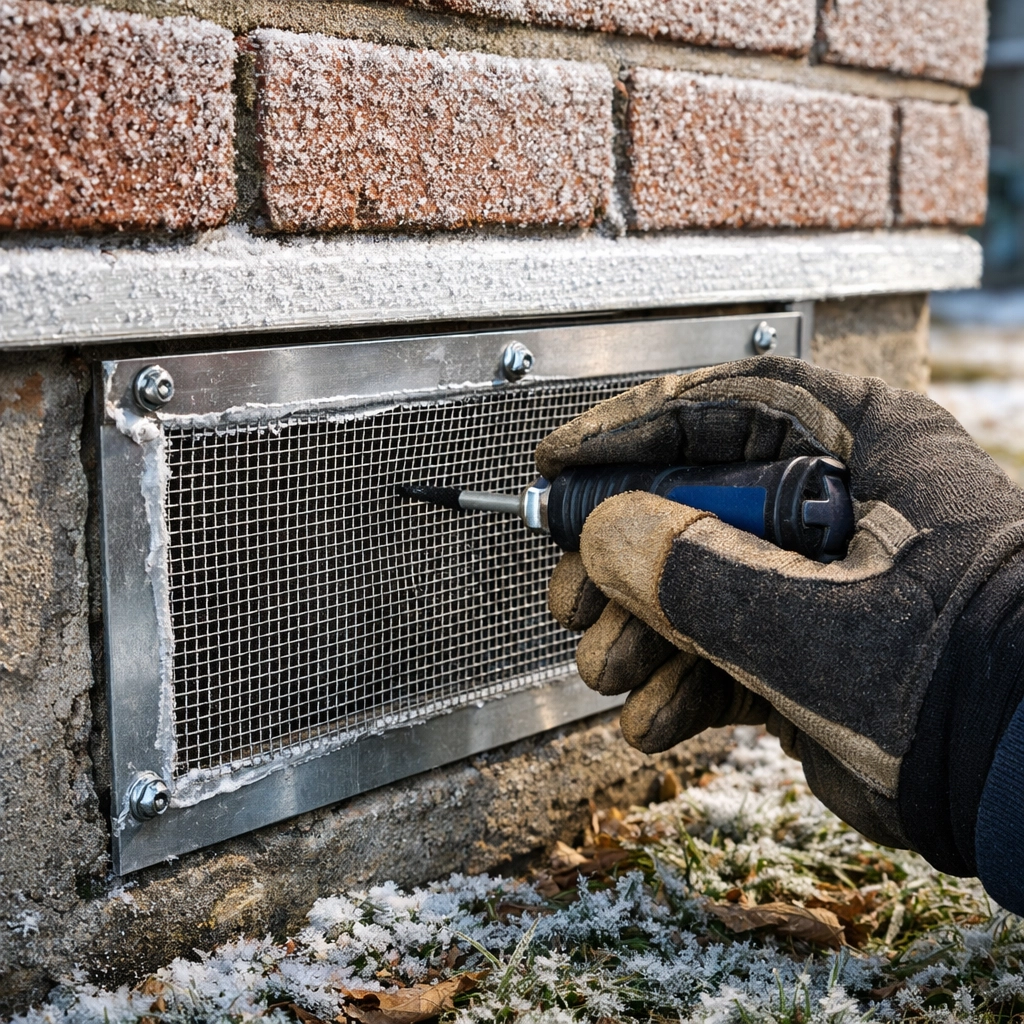
- Inspect Your Vents: Ensure that your dryer vents and attic fans have intact metal screening.
Protecting Our Northern NJ Communities
At Titanium Laboratories, we are proud to serve the diverse neighborhoods of Northern New Jersey. From the bustling streets of Nutley to the quiet suburban pockets of Essex County, we understand the local geography and the specific pest challenges that come with our climate.
Our philosophy is built on the idea that your home should be your safest place. When rodents invade, that sense of safety is compromised. Whether you are dealing with a current infestation or you want to be proactive about prevention, our team is ready to provide the professional, neighborly service you deserve.
Don’t spend another night listening to scratching in the walls. Let’s get your home back to being the quiet, cozy sanctuary it was meant to be this winter.
Ready to secure your home? Contact us today or fill out a service request to schedule your professional inspection. We look forward to helping you stay safe and pest-free!
Want to learn more about our commitment to health and safety? Read about the Titanium Laboratories Philosophy and how we protect our community.