

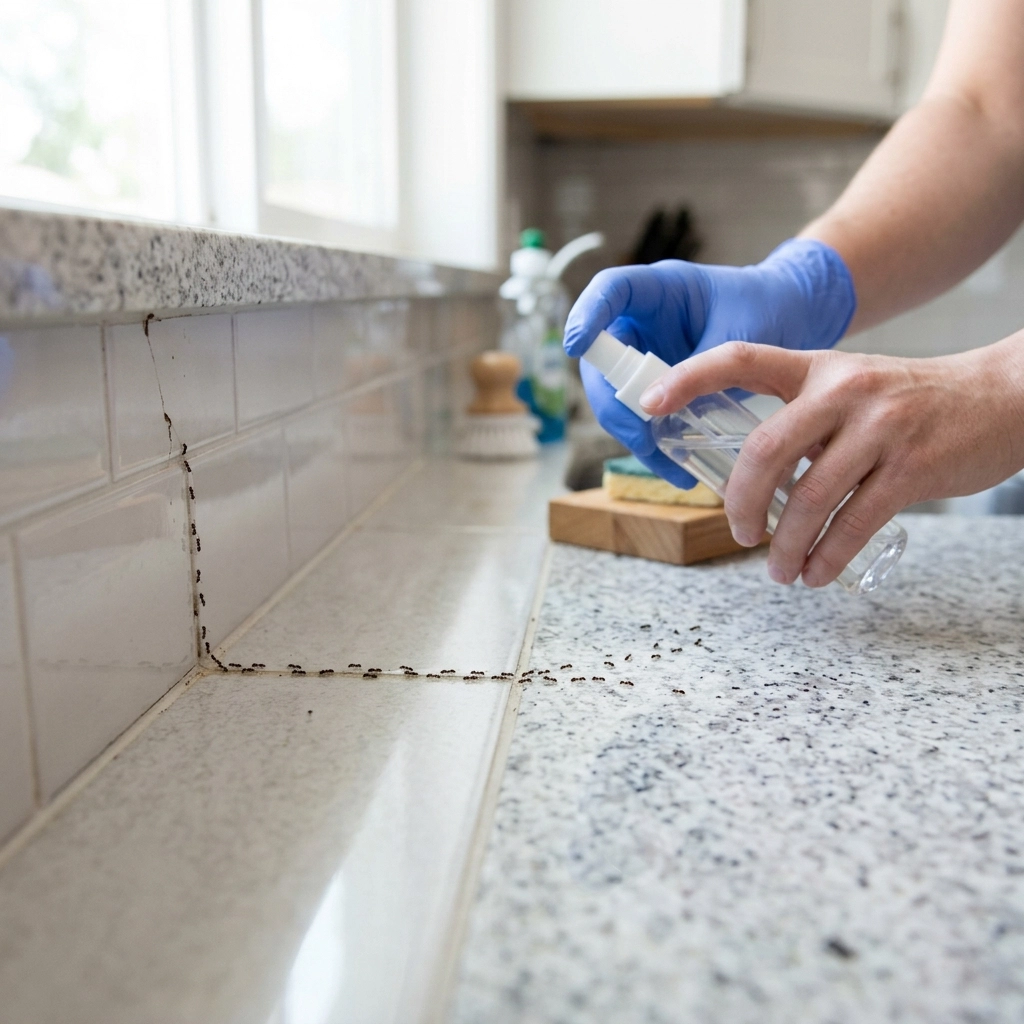
It’s 6:30 AM. You walk into your kitchen, still half-asleep, reaching for the coffee pot. You flip on the light, and there they are, a tiny, frantic parade of black specks marching across your granite countertop. Your heart sinks. You thought you got rid of them last week, but the “sugar ants” are back with a vengeance.
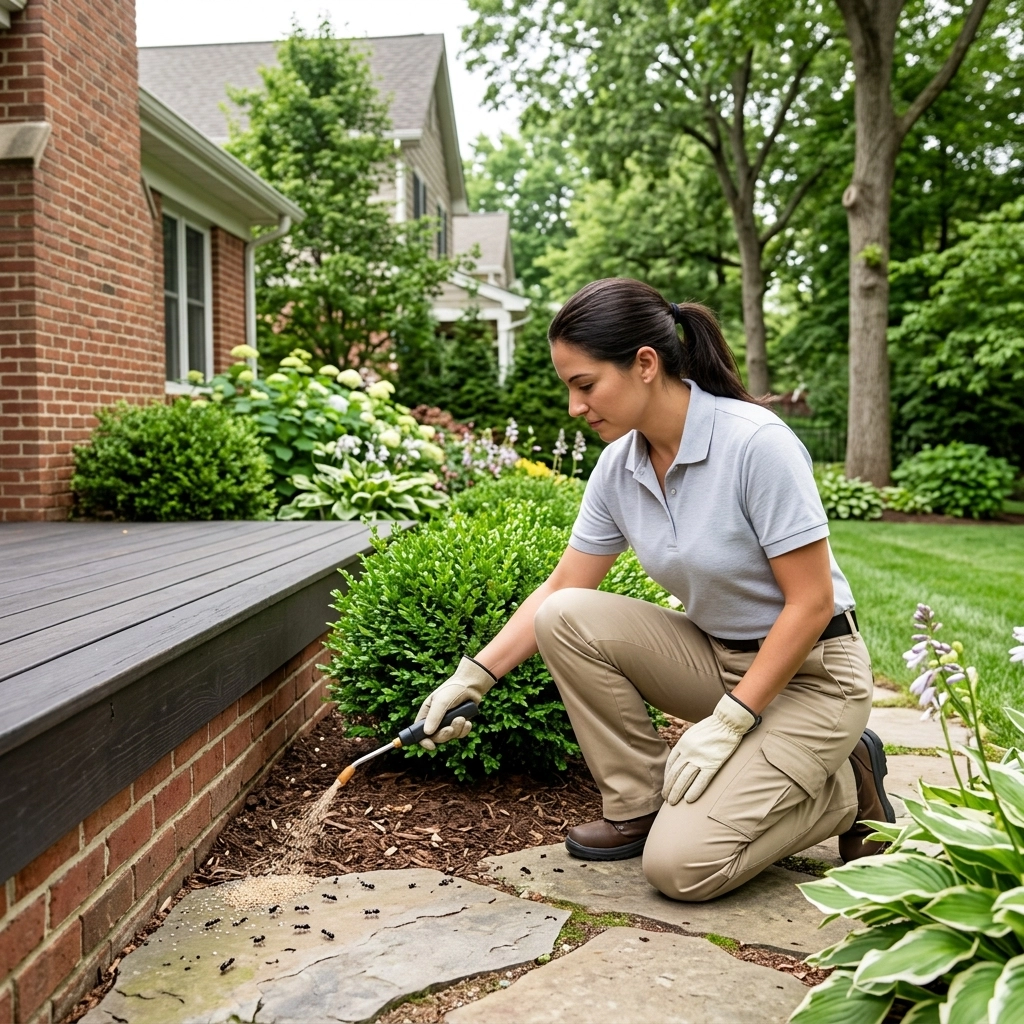
If you live in New Jersey, this scene is all too common. Dealing with sugar ants in NJ homes can feel like an endless game of whack-a-mole. You spray, they disappear for a day, and then they return with twice as many friends. At Titanium Laboratories, we see this frustration every day. Homeowners are often working harder, not smarter, when it comes to ant control.
The truth is, most DIY efforts actually make the problem worse. If you want to stop the trail for good, you need to stop making these seven common mistakes and start thinking like an ant.
1. The Identity Crisis: What is a “Sugar Ant” Anyway?
The first mistake most people make is misidentifying the enemy. In the pest control world, “sugar ant” is a bit of a catch-all term. In New Jersey, what most people call a sugar ant is actually the Odorous House Ant.
How do you know if you have them? Crush one. If it smells like rotten coconuts or rancid butter, you’ve got Odorous House Ants. Other common culprits in our area include Pavement Ants or the occasionally more destructive Carpenter Ant.
Why does identification matter? Because different ants have different motivations. Some are looking for sweets, while others are hunting for proteins or fats. If you use a sweet-based bait on an ant that wants grease, they’ll walk right past it. Accurate identification is the foundation of professional ant control.
2. The “Raid” Reflex: Over-Spraying Contact Killers
We get it. When you see a trail of ants, your first instinct is to grab a can of supermarket spray and blast them. It’s satisfying to watch them stop moving instantly, but you’ve just committed the ultimate ant-control sin.
Most store-bought sprays are “repellents” or contact killers. When you spray the ants on the counter, you only kill the foragers: the workers looking for food. The rest of the colony (and the queen) is safely tucked away behind your walls.
When the colony senses their scouts aren’t returning, they go into survival mode. This is a biological phenomenon called “budding.” The colony may actually split into several smaller colonies to ensure survival, turning one ant problem into three. Instead of solving the issue, you’ve just scattered them deeper into your home.
3. Leaving the “All-You-Can-Eat” Buffet Open
You can’t win a war against ants if you’re still feeding the enemy. Sanitation is the biggest hurdle for most homeowners. Sugar ants in NJ homes are attracted to the tiniest crumbs.
Think your kitchen is clean? Check these hidden spots:
- The side of the honey jar in the pantry.
- The crumbs behind the toaster.
- The pet food bowl that sits out all night.
- The “clean” recycling bin that still has a drop of soda at the bottom of a can.
To stop the trail, you have to be meticulous. Wipe down surfaces with soapy water to break the pheromone scent trails they leave behind. Without the scent trail, the ants lose their “GPS” to your kitchen.

4. Ignoring the Source: Where is the Nest?
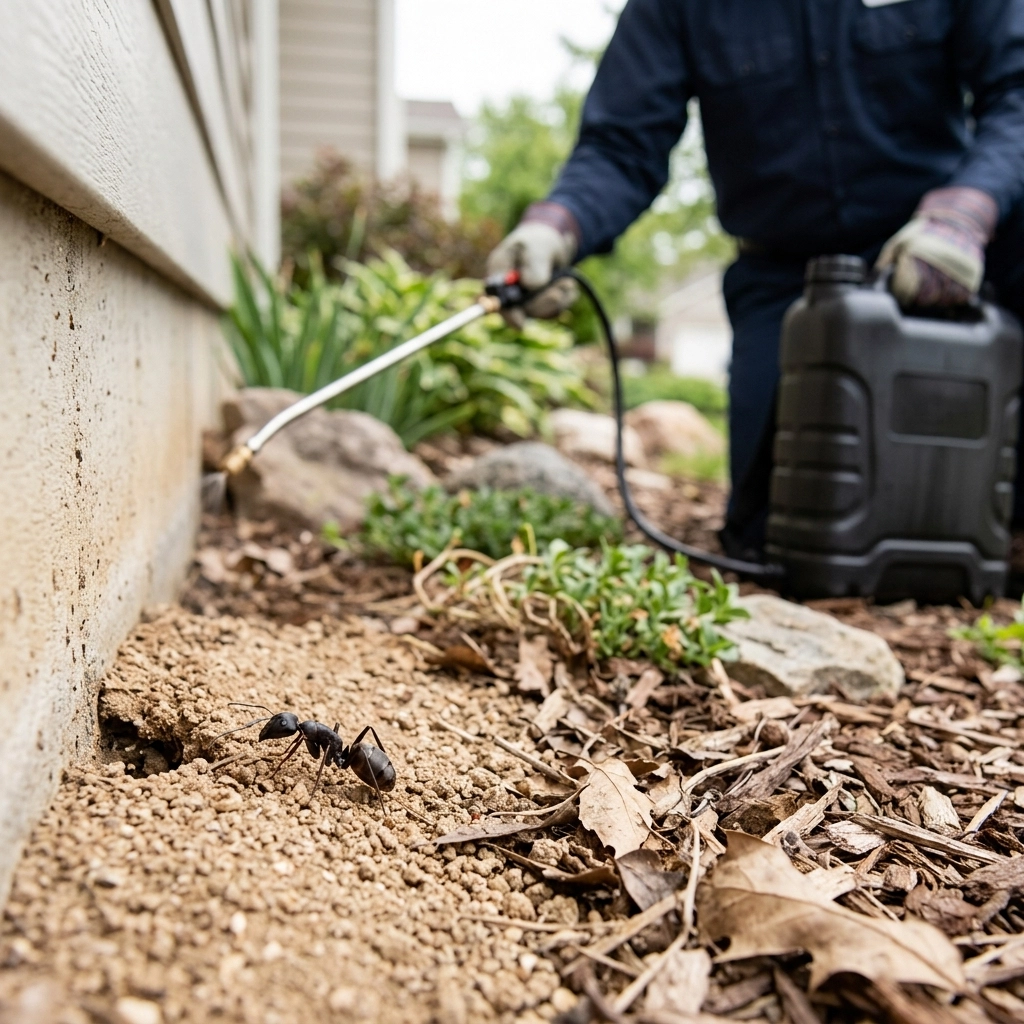
Treating only the visible ants provides nothing but temporary relief. Sugar ants are masters of hide-and-seek. They establish nests in wall voids, under floorboards, near water pipes, and even inside your appliances.
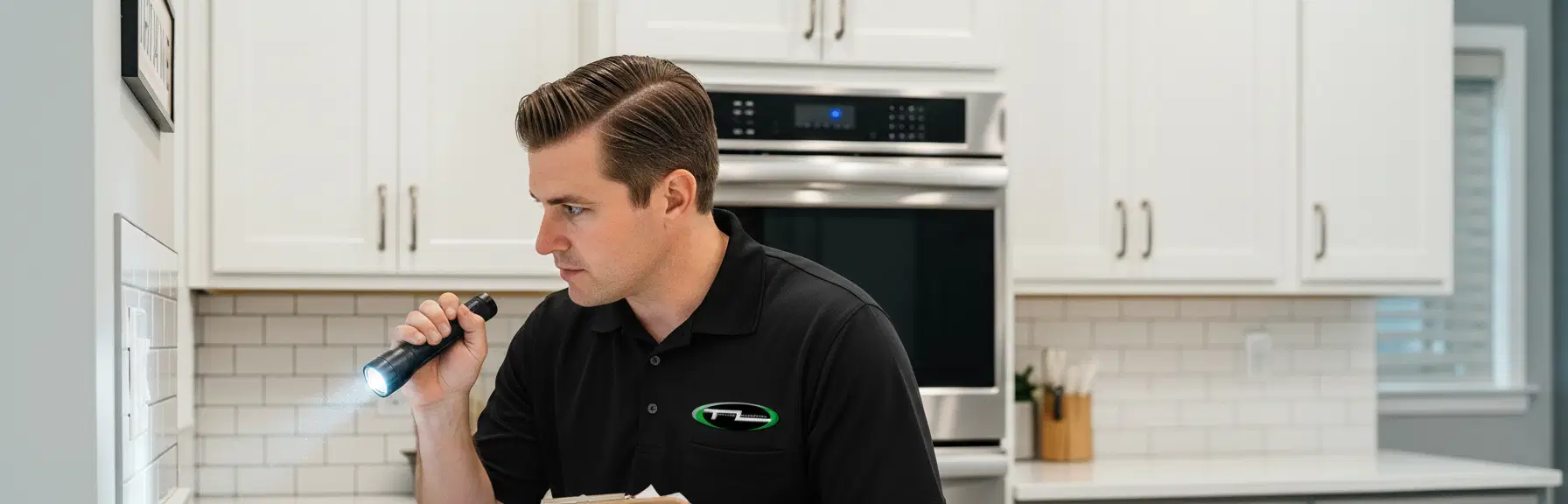
In New Jersey, these colonies can be massive, sometimes numbering in the thousands with multiple queens. If you aren’t targeting the nest, you’re just trimming the leaves of a weed while the roots stay healthy. Our technicians use specialized tools and deep knowledge of ant biology to locate the source of the infestation rather than just treating the symptoms. This is part of the Titanium Laboratories philosophy: solving the root cause for a healthier home.
5. DIY Baiting Without a Plan (or Patience)
Baiting is the gold standard for ant control, but it’s where most DIYers fail. When you put down a gel bait, you want the ants to eat it and take it back to the queen.
Here is where homeowners mess up:
- They spray near the bait: If you put out bait and then spray the ants with Raid, you’ve ruined the bait. No ant will touch a poisoned, chemical-smelling trap.
- They get impatient: You see ants swarming the bait and you freak out, wiping them away. Stop! You need those ants to survive long enough to carry the “gift” back to the colony.
- Using the wrong bait: As mentioned before, if the colony is in a protein phase, your sugar-based store-bought traps will be ignored.
Professional-grade baiting requires a strategic approach. We place baits in areas where ants are most likely to encounter them safely, ensuring the colony is eliminated from the inside out.

6. Overlooking Moisture Sources
Sugar ants aren’t just in your kitchen for the crumbs; they are also looking for a drink. High-moisture areas are ant magnets. If you have a leaky pipe under the sink, a window sill that collects condensation, or a damp basement, you’re inviting ants to move in.
In the humid New Jersey summers, moisture control is half the battle. We often find that “unsolvable” ant problems are actually linked to a small plumbing leak or poor drainage outside the house. Fixing the moisture issue is a critical step in making your home less attractive to pests.
7. Thinking One Treatment is Enough
The most resilient mistake is thinking that ant control is a “one and done” event. Sugar ants are persistent. A colony might go dormant during a cold snap or move outside during the spring, only to return the moment conditions are right.
Effective pest management is about consistency. It requires monitoring and preventative measures to ensure that once the trail stops, it stays stopped. This is why many Nutley residents prefer a professional maintenance plan over the stress of DIY.
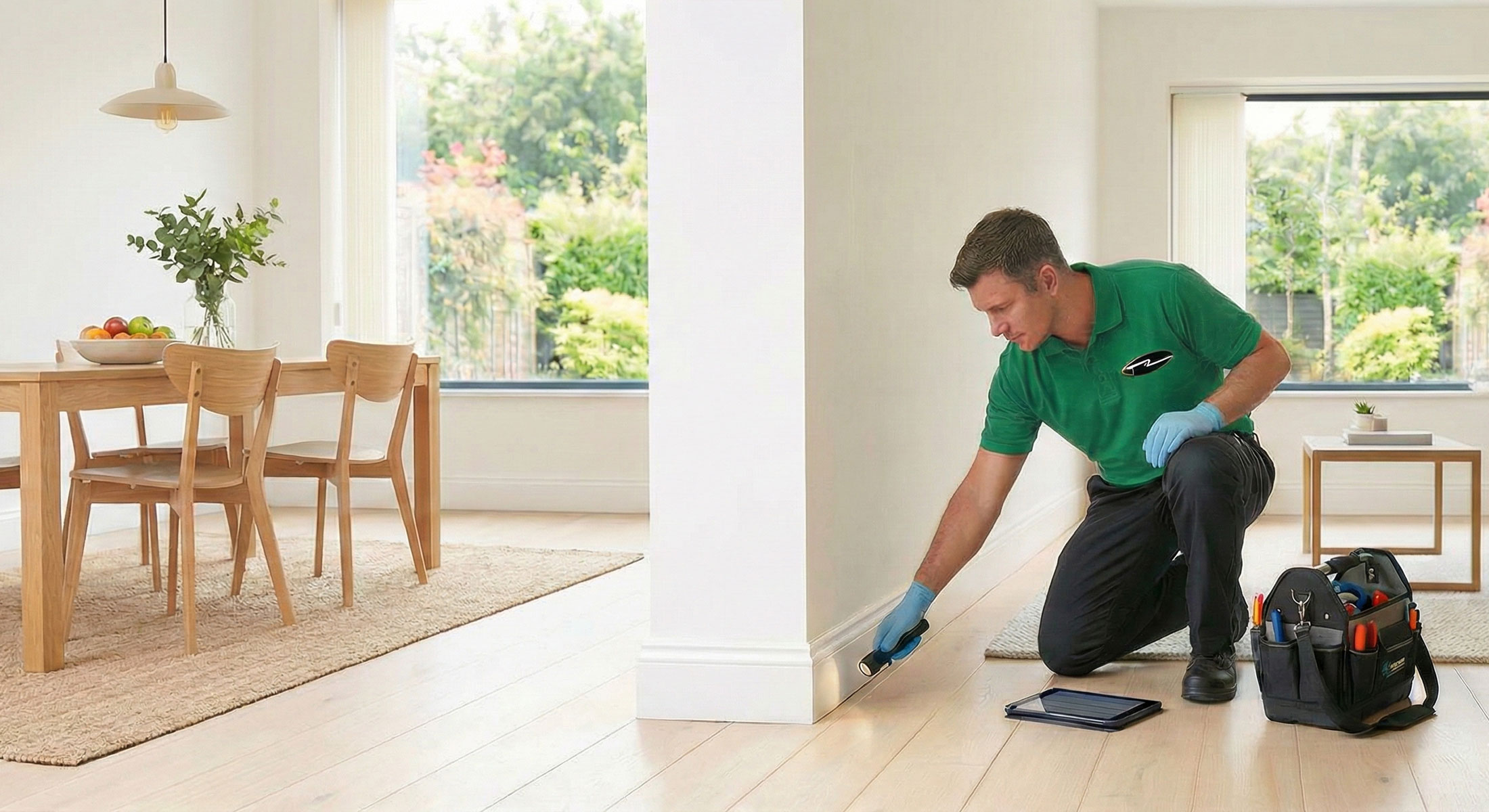
How to Actually Stop the Trail
If you’re tired of sharing your morning coffee with six-legged intruders, it’s time to change your strategy. Stop the sprays, start the cleaning, and call in the experts.
At Titanium Laboratories, we don’t just “spray for bugs.” We perform a scientific assessment of your home to identify the species, locate the nests, and implement a targeted baiting program that is safe for your family and pets. We understand the specific behavior of sugar ants in NJ homes and have the specialized equipment to deal with them effectively.
Don’t let ants take over your peace of mind. Our team is ready to help you reclaim your kitchen with a professional, science-backed approach. Whether you need a one-time intervention or ongoing protection, we are your neighbors in health and safety.
Ready to get rid of the ants for good?
Explore our Ant Control Services in Nutley, NJ or contact us today for a consultation. Let’s put an end to the trail together.
Titanium Laboratories: Your experts in pest control and indoor environmental health.